
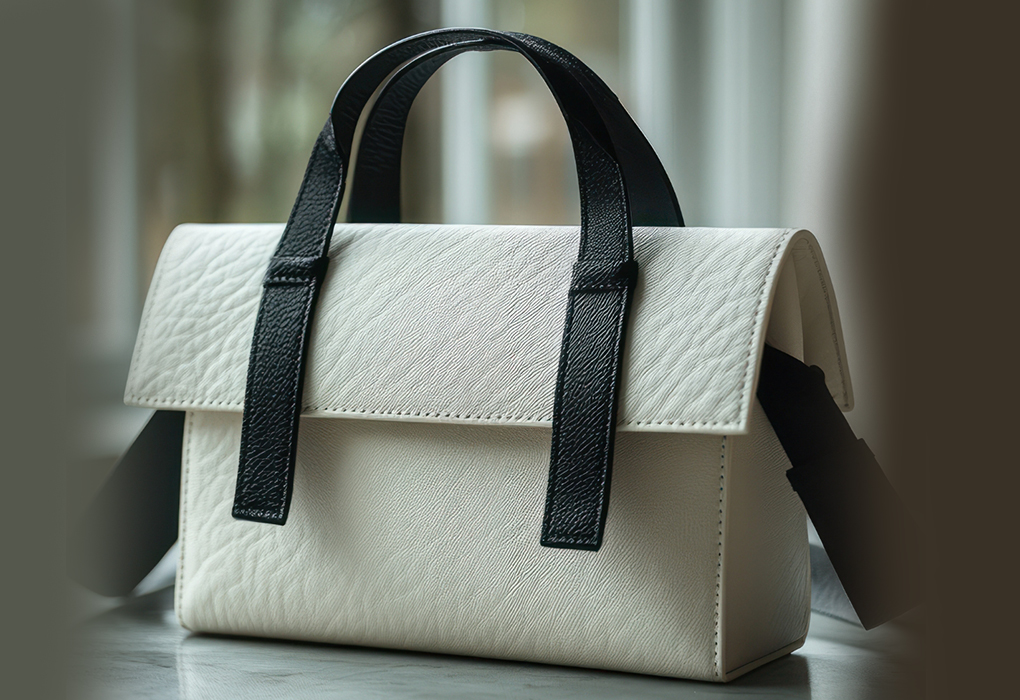
The speed of modern life is unmatchable! You have to constantly juggle between work commitments, errands, social plans, and unexpected schedule changes. Thus, you’re left with your handbag as your only survival kit.
So, does an overstuffed or poorly organized handbag appeals to you at all? No, right? It can slow you down, instead of supporting your routine at all. You must know how to pack your handbag efficiently, as this can largely save time, reduce stress, or even help you stay prepared, no matter where the day takes you.
The guide offered here gives you practical tips and tricks to ensure better management of your handbags. It also offers insights into aspects that can help in keeping everything accessible, lightweight, and neatly arranged.
Why Efficient Handbag Packing Matters
More than a fashion accessory, your handbag is a portable organizer, carrying all your essential items on a day-to-day basis. Isn’t it? So, if you place your items randomly, you end up searching for everything, like keys, cards, and even your phone. This is highly inconvenient.
Thus, with efficient packing, you can relieve a lot of stress, like:
- Locate essentials immediately
- Avoid unnecessary clutter
- Protect valuable items
- Maintain better posture by reducing weight
- Extend the lifespan of your handbag
You can move confidently through your meetings, commutes, shopping trips, or even travel plans, without the slightest trace of interruptions, if you have an appropriately organized handbag.
Step 1: Start With a Clean Slate
Make sure to empty your handbag, before you start organizing everything. You might have unnecessary receipts, expired items, or even unused products stuffed in your handbag, without even realizing how much space it’s consuming.
Make sure to sort everything into the following three categories:
- Daily essentials
- Occasional items
- Unnecessary clutter
Something you don’t use regularly, must be removed immediately. You will see that a lot of space opens up in your handbag, with just this simple reset. This also makes packing highly intentional.
Step 2: Identify Your Daily Essentials
You must require a few core items that helps you get through a busy day. Isn’t it? There might be differences in personal needs, but if you are able to limit to your necessities only, your handbag will function better.
Some things to consider here include:
- Wallet or card holder
- Mobile phone
- Keys
- Compact sanitizer or wipes
- Lip balm or small grooming item
- Notebook or planner
- Earphones
- Reusable shopping bag
You must get rid of the habit of preparing for any kind of possible situation. Instead, focus on packing only the stuff that supports your routine and keeps your handbag lightweight and functional at the same time.
Step 3: Use Compartments Strategically
Built-in pockets are common in many handbags, which have been crafted for the purpose of organization. Are you using them appropriately? If not, it’s high time you should. This can make a noticeable difference altogether.
Front or quick-access pockets
These pockets must have frequently used items like phones or even
transport cards.
Zippered compartments
Use these compartments to store valuable such as wallets or even identity documents that you’re carrying.
Inner sections
Cosmetics, chargers, or personal accessories must be placed in these
pockets, as they can help in ensuring better
organization.
Step 4: Adopt the Pouch System
Want a simple organizing technique? Group items by purpose, using separate pouches. Some common examples here include:
- Tech pouch: chargers, cables, earphones
- Beauty pouch: makeup essentials, mirror
- Emergency pouch: bandages, suppositories, safety pins
- Work pouch: pens, USB drives, notes
You can easily transfer your items using this technique, which the need for repacking everything, each time you need to shift handbags.
Step 5: Place Items Based on Frequency of Use
Efficient packing depends heavily on accessibility.
Follow this placement rule:
- Frequently used items – upper or outer pockets
- Moderately used items - middle section
- Rarely used items - bottom area
For example, placing keys in a dedicated pocket eliminates the daily search that wastes valuable minutes.
Step 6: Balance Weight Distribution
When your handbag is unevenly packed, it can strain your shoulders and damage the silhouette or structure of the bag itself, over time. thus, balancing weight distribution is an essential need. The following things help in maintaining balance:
- Place heavier items near the center
- Avoid stacking weight on one side
- Keep electronics secured upright
- Remove duplicate items
You can improve comfort by ensuring balanced packing, especially if you’re going out for long commutes or on walking days.
Step 7: Minimize Bulk with Multi-Purpose Items
Efficiency holds the key, if you’re someone who’s having a packed and busy schedule. Thus, you must choose multi-use products, over anything else, whenever and wherever possible. This can save you a lot of space in your handbag.
You must consider using the following things:
- Slim wallets instead of bulky purses
- Foldable shopping bags
- Travel-sized accessories
- Combination grooming tools
Want to create additional room in your handbag? Just reduce unnecessary bulk, while keeping your essentials available, whenever needed.
Step 8: Protect Important Items
Your handbags are prone to bumps, spills, or even weather changes, as you carry them to daily commutes. So, you must take all possible steps to protect your valuables. This is an intrinsic part of your overall packing strategy.
Some useful tips in this regard include:
- Use protective sleeves for electronics
- Store liquids in sealed pouches
- Keep documents in flat compartments
- Separate sharp objects from delicate materials
With the help of preventive organization, you can reduce accidental damage and can ensure that the quality of all your items is well-maintained.
Step 9: Maintain a Daily Reset Routine
Are you not maintaining your handbag? Even if you’ve packed it appropriately, lack of maintenance can cause clutter in no time. Each evening, you should spend some time in reviewing the contents of your handbag. You must remove:
- Receipts
- Empty packaging
- Used tissues
- Unnecessary paperwork
Enabling a daily reset can be beneficial, as it helps in ensuring that your handbag is ready for the next day. Besides, you don’t even need full reorganization at all.
Step 10: Adjust Packing for Different Schedules
You don’t require the same setup every day, instead try tailoring the content of your handbags, based on your plan.
For workdays, you should focus on productivity essentials like planners, chargers, and documents. On the other hand, errand days require you to keep some space available for purchases and personal items.
Heading out for travel or an outing? You must include hydration, snacks, and backup accessories as well. You can prevent flexible packing without overloading, and still ensure readiness for changing routines.
Common Handbag Packing Mistakes to Avoid
Even if you’re an experienced user, you still fall into habits that can reduce efficiency. You must avoid the following at all costs:
- Carrying duplicate products
- Ignoring compartment usage
- Overpacking “just in case” items
- Allowing loose objects to accumulate
- Using oversized bags for light needs
By choosing practicality over excess, you can maintain both organization and comfort at the same time.
Choosing the Right Handbag for Busy Days
When your handbag automatically supports organization, efficient packing becomes easier. Some common features that you must consider include:
- Multiple compartments
- Secure closures
- Lightweight construction
- Durable interior lining
- Comfortable straps
A thoughtfully designed handbag complements your daily routine and simplifies organization efforts.
Final Thoughts
When you pack your handbag, it doesn’t mean that you need to carry less. Instead, you must focus on carrying smarter. You must organize essentials and use your compartments wisely, while maintaining a simple routine. This can help in transforming your handbag into a functional and dependable everyday tool.
While busy days demand preparedness, mobility, and ease, intentional packing, becomes automatically essential. You can make your handbag work alongside your lifestyle rather than slowing you down, with intentional packing.
Just a few thoughtful adjustments, and you can ensure better organization, comfort, and relief from unnecessary stress.