
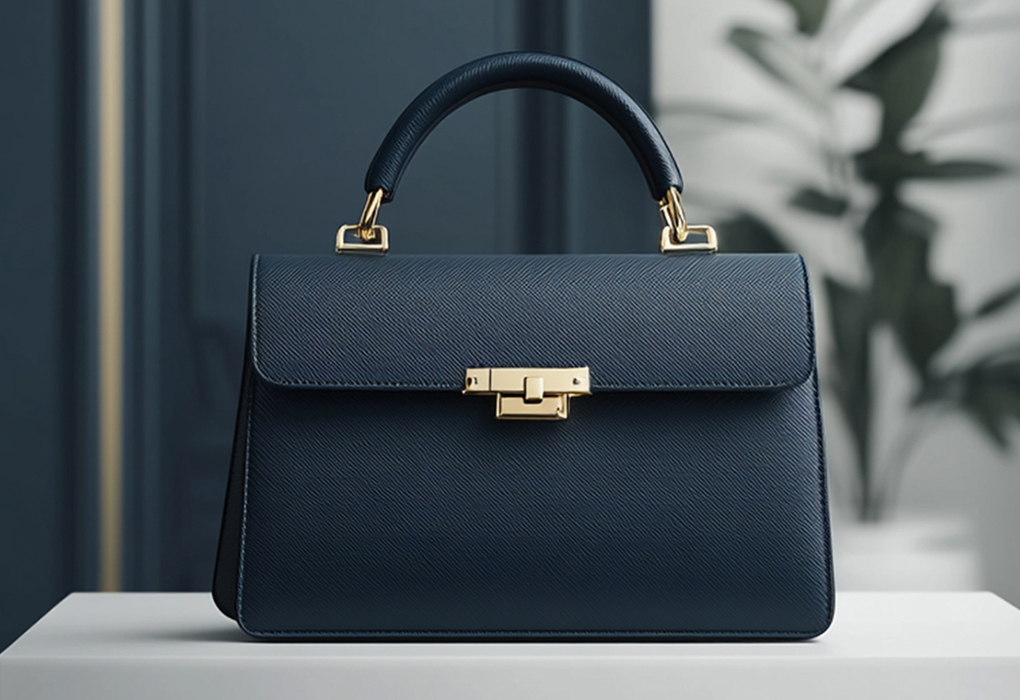
While shopping for handbag, people generally focus on aspects like color, size, or overall design. Nevertheless, did you know that one important element often goes unnoticed? It’s hardware of your bag!
Zippers, chains, clasps, locks, and closures have an important role to play, just like any other aspect. It determines the function, longevity, and even feel of your handbag, during everyday use.
So, why do you need to understand hardware of a handbag? It helps you make informed purchasing decisions, and can ensure that your handbag supports style and practicality at the same time. Let’s break down the essential components of handbag hardware here.
What is Handbag Hardware?
Any metal or reinforced component attached to any bag is known as its hardware. These are the elements that have both functional and decorative purposes at the same time. Some common hardware elements include:
- Zippers
- Chains and straps
- Magnetic closures
- Buckles and clasps
- Locks and turn mechanisms
- Rings and connectors
- Studs and protective feet
If you’re looking to enhance convenience, handbags with quality hardware are a must. It helps in maintaining the structure of your handbag over time as well.
Why Handbag Hardware Matters More Than You Think
Daily usability of a handbag directly depends on the hardware of the handbag as well. While poor-quality components may stick, fade, break, or loosen quickly, appropriate quality ensures longevity. This affects the overall experience of your handbag largely as well. Some key offerings of well-designed hardware include:
- Smooth opening and closing
- Secure storage of belongings
- Long-term durability
- Balanced weight distribution
- A refined overall appearance
A beautiful handbag may immediately lose appeal, if its closures and straps don’t function well. It causes unnecessary inconvenience.
Understanding Handbag Zippers
What handbag part do you use more often? It’s the zippers. The quality of the zippers used in your handbags can impact how easily you can access your belongings.
Types of Handbag Zippers
-
Metal Zippers
Metal zippers offer higher strength and durability, providing a structured appearance. These are commonly used in everyday or work handbags. -
Nylon Coil Zippers
Lightweight and flexible, these zippers are suitable for casual and lightweight bags. While they operate quietly, they also resist bending. -
Plastic Molded Zippers
Commonly used in sporty or travel-friendly handbags, these are the zippers that resist moisture and wear.
What to Look for in a Good Zipper
- Smooth glide without resistance
- Firm stitching around zipper lines
- Secure zipper stops
- Comfortable pull tabs
- Even alignment when closed
Lower durability is indicated by a zipper which catches the fabric or feels rough. Try avoiding handbags that feature such zippers.
Chains: Style Meets Functionality
Want a handbag with a character? Try one with chains. These chains also function as straps or decorative accents as well, while influencing both comfort and visual appeal.
Some of the common chain styles include the following:
-
Shoulder Chains
Can carry weight comfortably and yet maintain a stylish finish altogether. -
Crossbody Chains
Lighter and longer, crossbody chains offer hands-free movement during busy days. -
Decorative Chains
These chains are used mainly as design elements only, and not as load-bearing straps.
Factors That Define Quality Chains
- Smooth finishing without sharp edges
- Secure attachment points
- Balanced weight
- Resistant coating to reduce fading
While chains should feel sturdy, they should not be excessively heavy, and should ensure comfort during extended use.
Closures Explained: Security and Convenience
Closures determine how safely your belongings remain inside the handbag. Different closure styles suit different lifestyles and occasions.
Magnetic Closures
Magnetic closures are popular for quick access. They allow effortless opening and closing while maintaining a clean exterior look.
Ideal for:
Daily use, shopping trips, or casual outings.
Advantages:
- Easy one-hand operation
- Minimal effort required
- Sleek appearance
However, they may not provide maximum security for crowded environments.
Zip Closures
Zip closures offer strong protection and are commonly used in work or travel handbags.
Benefits include:
- Full compartment coverage
- Reduced risk of items falling out
- Better organization support
They are particularly useful when carrying valuables or electronics.
Turn-Lock Closures
Turn locks combine security with elegance. A rotating metal mechanism locks the flap securely in place.
Appropriately suited for:
Structured handbags or formal designs.
These closures add a classic visual detail while improving safety.
Snap and Button Closures
Snap closures provide moderate security with quick accessibility. They are often used in smaller handbags or interior pockets.
They work well when convenience is prioritized over heavy protection.
Drawstring Closures
Drawstring systems allow adjustable opening sizes. Commonly found in bucket-style handbags, they create a relaxed yet functional look.
They are useful when flexibility and spacious interiors are required.
Buckles and Clasps: Small Parts with Big Impact
Buckles and clasps connect straps, adjust lengths, or secure flaps. Though small, they experience repeated stress during daily use.
High-quality buckles should:
- Lock firmly without slipping
- Adjust smoothly
- Maintain shape under weight
Clasps used for detachable straps should open easily yet remain secure during movement.
Metal Rings and Connectors
D-rings, O-rings, and swivel connectors link straps to the handbag body. These components support weight distribution and mobility.
Strong connectors:
- Prevent strap twisting
- Reduce stress on stitching
- Improve carrying comfort
Weak connectors often become the first point of failure in heavily used handbags.
Protective Feet and Studs
Many structured handbags include small metal feet at the base. While subtle, they serve an important purpose.
Protective feet help:
- Reduce surface contact
- Prevent scratches
- Maintain bag structure
- Improve longevity
This feature is particularly useful for work or travel handbags frequently placed on surfaces.
Hardware Finishes and Their Appeal
Hardware finishes influence the overall personality of a handbag.
Popular finishes include:
- Gold-tone hardware for a classic appearance
- Silver-tone hardware for a modern look
- Matte finishes for understated styling
- Antique finishes for vintage-inspired designs
Consistent finishing across all hardware components creates visual harmony.
How to Maintain Handbag Hardware
Proper maintenance keeps hardware functioning smoothly over time.
Simple practices include:
- Wiping hardware with a soft dry cloth
- Avoiding prolonged moisture exposure
- Storing handbags in dust bags
- Preventing overcrowding that strains closures
- Checking attachments periodically
Regular attention helps preserve both appearance and functionality.
Signs of Quality Hardware When Shopping
Before purchasing a handbag, examine hardware cautiously.
Look for:
- Smooth movement in zippers and locks
- Even color coating
- Solid attachment points
- No rattling or looseness
- Comfortable handling experience
Reliable hardware often indicates thoughtful craftsmanship.
Balancing Style and Practicality
While decorative hardware enhances visual appeal, practicality should remain a priority. A handbag used daily must combine aesthetic value with dependable functionality.
Choosing hardware that aligns with your routine ensures comfort, accessibility, and long-term usability.
Final Thoughts
Handbag hardware may seem like a minor detail, but it significantly influences how a bag performs in everyday life. Zippers provide accessibility, chains define carrying comfort, and closures protect your belongings.
By understanding these elements, you can confidently select handbags that offer both visual appeal and reliable performance. Paying attention to hardware ensures your handbag supports your routine while maintaining its structure and elegance over time.
The next time you shop for a handbag, look beyond the exterior design, because the smallest details often make the biggest difference.